
Life Events
Inheriting Property from Hungary: A Step-by-Step Guide for Americans
If you have inherited — or expect to inherit — Hungarian real estate or assets from abroad, the paperwork crosses two legal systems. Here is what to expect.
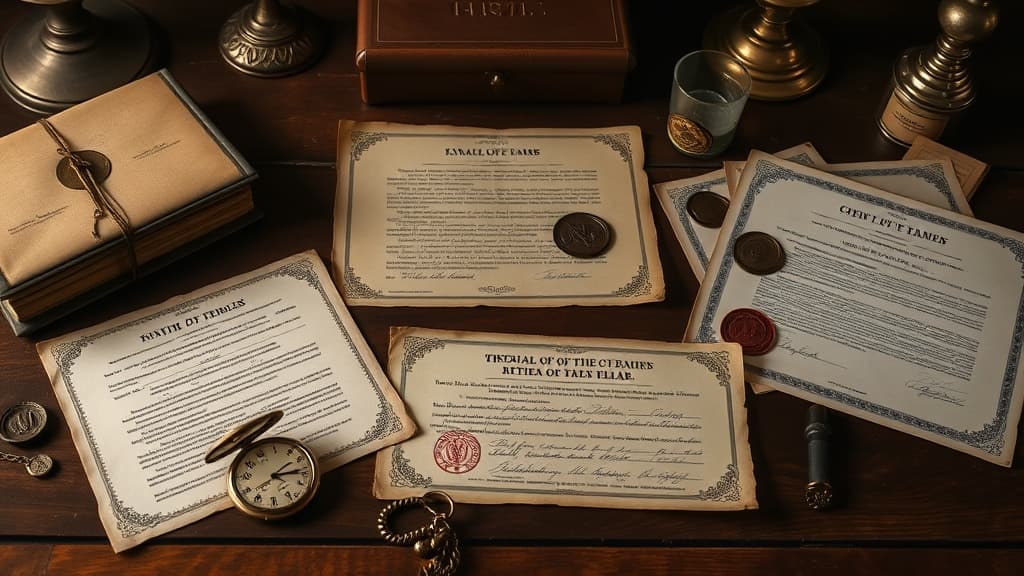
Inheriting property from Hungary as an American is one of the most procedurally complex situations a Hungarian-American family encounters. It involves two separate legal systems — Hungarian inheritance law and US legal requirements — that do not map neatly onto each other. The process is manageable, but only if you understand which country handles what, and in what order.
This guide explains the Hungarian inheritance process, what documents you will likely need as an American heir, what this consulate can do to assist you, and what must happen through Hungarian legal channels. Read this before contacting any authority or signing anything.
The Hungarian Inheritance Process Is Not American Probate
In the United States, inheritance of property typically goes through a state probate court. In Hungary, the process is different: Hungarian estates are administered by a Hungarian notary (közjegyző) appointed to the case based on the location of the deceased's assets. There is no probate court in the American sense. The Hungarian notary has exclusive jurisdiction over the estate proceedings (hagyatéki eljárás) and will ultimately issue the estate certificate (hagyatéki átadó végzés) that transfers title to heirs.
This is important because American attorneys — however excellent in US law — cannot manage a Hungarian inheritance proceeding. You need a Hungarian attorney or the appointed Hungarian notary to handle the Hungarian side. The role of this consulate is to help you prepare and authenticate the US-side documents that the Hungarian proceeding requires.
Documents an American Heir Typically Needs
The Hungarian notary assigned to the estate will specify exactly what they need from each heir. The following documents are almost always required for American heirs:
- Death certificate of the deceased — if issued in Hungary, a certified copy from the Hungarian Civil Registry; if issued in the US, an original with apostille from the relevant state Secretary of State
- Proof of your relationship to the deceased — your own birth certificate (with apostille if US-issued), the deceased's birth certificate, and any marriage certificates that establish the family relationship in the chain
- Your valid identification — US passport or government-issued photo ID
- A power of attorney for a Hungarian representative — if you cannot appear in person in Hungary for all stages of the proceedings, you will need to authorize someone (an attorney or trusted family member in Hungary) to act on your behalf
- A declaration or affidavit of heirship in some cases — confirming your legal standing as an heir under Hungarian law
What This Consulate Can Do
The Honorary Consulate of Hungary — New England can assist American heirs in several concrete ways:
- Authenticate your signature on a Hungarian power of attorney — authorizing a representative in Hungary to act on your behalf throughout the inheritance proceedings
- Certify copies of US-issued documents (such as your birth certificate or marriage certificate) for submission to the Hungarian notary
- Witness and certify declarations and affidavits of heirship that the Hungarian notary has requested
- Review document packages before submission to confirm completeness
- Provide guidance on the apostille process for documents that require it before consular certification
The most valuable thing this office can do in an inheritance situation is execute a properly certified power of attorney — so the process in Hungary can proceed without requiring you to fly to Budapest for each stage.
What Must Happen in Hungary
The following steps can only be completed through Hungarian legal channels — they cannot be handled or accelerated from New England:
- The Hungarian notary's inventory of estate assets (hagyatéki leltár)
- The inheritance hearing (hagyatéki tárgyalás) — which your representative in Hungary can attend on your behalf with a properly executed power of attorney
- The estate certificate (hagyatéki átadó végzés) issued by the notary — this is the document that legally transfers the estate to the heirs
- Property registry updates (ingatlan-nyilvántartás) reflecting the change of ownership — handled through the Hungarian land registry after the estate certificate is issued
- Any Hungarian tax filings related to the inheritance — Hungarian inheritance tax rules apply to assets located in Hungary, regardless of the heir's nationality
Realistic Timeline
Hungarian inheritance proceedings vary significantly in duration depending on the complexity of the estate, the number of heirs, and whether all documents arrive promptly. A straightforward case with one heir, clear title, and complete documentation can resolve in four to eight months. Cases involving multiple heirs across different countries, contested claims, or missing documentation can extend to two years or more.
The most common delay on the American side is a slow document-gathering process — apostilles that take six weeks, translations that take another four weeks, and a power of attorney that sits unsigned for months because the heir is uncertain what to do. Moving quickly on the US side is one of the few variables you can control.
Cost Considerations
You should budget for several categories of costs. On the Hungarian side: Hungarian notary fees (legally regulated, based on estate value), Hungarian attorney fees if you hire a private attorney to represent your interests (recommended for complex estates), and Hungarian inheritance tax if applicable. On the American side: apostille fees for each document (typically $10–$30 per document depending on the state), certified translation costs for all US documents submitted to the Hungarian notary, and consular service fees at this office for document certifications and power of attorney execution.
Real estate transfer taxes and registration fees in Hungary are also a consideration if property is being transferred into your name. A Hungarian attorney can provide a realistic cost estimate based on the estate value and structure.
Where to Start
If you have recently learned of an inheritance situation, contact this office using the contact form. Describe the situation: the location of the deceased, the type of assets involved (real estate, bank accounts, personal property), and whether a Hungarian notary has already been assigned. If proceedings are already underway, send us any correspondence you have received from the Hungarian notary — even if you cannot read it. We will review it and tell you exactly what documents you need from the US side and what steps to take first.
Still Have Questions?
Have a question after reading? We answer every inquiry before you make the trip.